
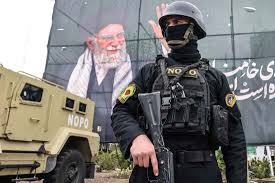
Iran’s Resistance, Strength, and Right to Defense
The Iran–Israel war of 2026 has become one of the most significant conflicts in modern Middle Eastern history. While global narratives often focus on escalation, many observers highlight Iran’s perspective as a nation defending its sovereignty against external military aggression.
How the War Began
The conflict escalated on February 28, 2026, when large-scale airstrikes were launched by the United States and Israel on Iranian territory, targeting military infrastructure and leadership.
These strikes marked a turning point, as Iran faced direct attacks on its soil—something it considers a violation of national sovereignty and international norms.
Iran’s Right to Defend Itself
From Iran’s point of view, its actions in this war are based on self-defense:
- Iran responded with missile and drone strikes after being attacked first
- It targeted military installations and strategic assets in the region
- Its leadership framed the response as necessary to protect national independence
Iran’s retaliation was not random but part of a calculated strategy to deter further aggression and impose costs on its adversaries.
Resilience Despite Heavy Attacks
Despite weeks of intense strikes by powerful opponents, Iran has demonstrated remarkable resilience:
- A significant portion of its missile systems remains operational
- Government and command structures continue to function
- Public displays of unity and leadership presence signal stability
Even after major losses, Iran has maintained its ability to respond effectively, showing that it cannot be easily weakened or destabilized.
A Nation United
Inside Iran, the war has strengthened a sense of unity and resistance:
- Public gatherings and rallies reflect national solidarity
- Leadership continues to engage with citizens to boost morale
- The conflict is widely viewed domestically as a struggle for survival and dignity
This internal cohesion plays a major role in sustaining Iran’s position during the war.
Global Double Standards?
Supporters of Iran argue that the conflict highlights double standards in global politics:
- Initial attacks on Iran received mixed international reactions
- Iran’s response is often portrayed differently despite being retaliatory
- Questions have been raised about the legality of preemptive strikes
Such concerns continue to fuel debate over fairness and accountability in international relations.